Arya Samaj Marriage Procedure
Arya Samaj Marriage Procedure is a traditional Vedic ceremony that emphasizes simplicity, spirituality, and equality. The procedure is conducted in accordance with Vedic rituals and is recognized by law.
Key Steps in Arya Samaj Marriage Procedure
1. Pre-Wedding Preparations: The couple and their families prepare for the wedding ceremony, which includes decorating the venue, preparing the wedding attire, and arranging for the necessary items for the rituals.
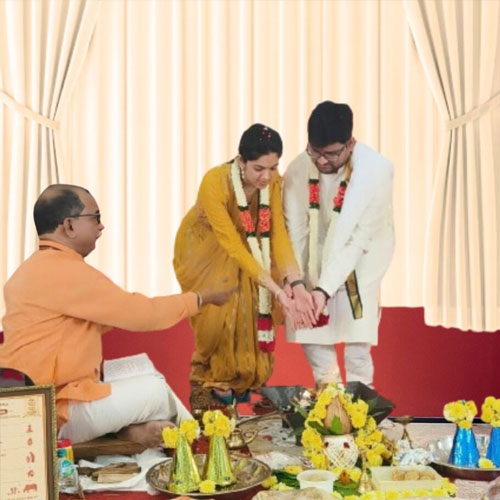
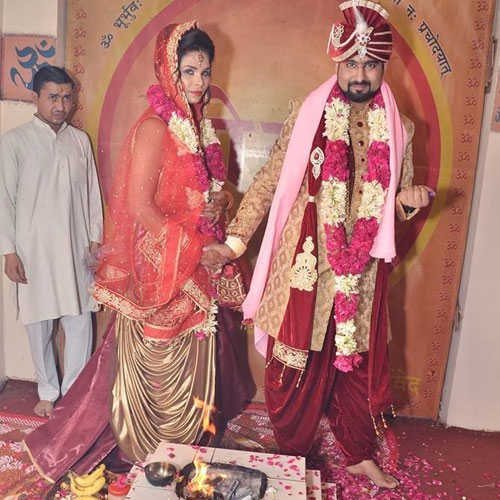
2. Havan: The ceremony begins with a sacred Havan (fire ritual) performed by the priest, seeking blessings from the Almighty.
3. Pheras: The couple takes four or seven rounds around the sacred fire, symbolizing their commitment to each other.
4. Saptapadi: The couple takes seven steps together, representing their journey through life.
5. Anand Karaj: The couple exchanges vows, promising to love and support each other.
6. Sindoor Daan: The groom applies sindoor (vermilion) to the bride’s forehead, symbolizing their union.
Benefits of Arya Samaj Marriage Procedure:
– Simple and Cost-Effective: Arya Samaj marriage procedure is a simple and cost-effective ceremony, devoid of unnecessary rituals and expenses.
– Equality: Arya Samaj marriage emphasizes equality between the bride and groom, promoting mutual respect and understanding.
– Spiritual Significance: The ceremony is conducted in accordance with Vedic rituals, providing spiritual significance to the union.
Arya Samaj Marriage Laws
– Legal Recognition: Arya Samaj marriage is recognized by law, provided it is registered under the Hindu Marriage Act, 1955.
– Inter-Caste Marriages: Arya Samaj marriage allows inter-caste marriages, promoting social equality and harmony.
Conclusion
Arya Samaj Marriage Procedure is a beautiful blend of simplicity, spirituality, and equality. It provides a meaningful and memorable experience for the couple and their families.
Documents Required for Marriage
1. Date of Birth Proof (Municipal Corporation Certificate, Xth Certificate, Passport, PAN Card) of Marrying Persons.
2. Residential Proof (Adhar Card / Voter Card / Passport / Ration Card / Driving License / Bank Passbook) of Marrying Persons.
3. Passport Size Photographs – four each of Marrying Persons.
4. If any party is divorcee, Certified copy of Decree of Divorce granted by the Court.
5. If any party is widow / widower, Death Certificate of the dead spouse.
6. If any party is a Foreign Citizen or holding a foreign Passport or is having foreign residential address – Certificate of Present Marital Status of the party / No Impediment Certificate / NOC from concerned Embassy and Valid VISA.
7. Two Witnesses With I. D. (Residence) Proof – Adhar Card / Voter I Card / Passport / Ration Card / Driving License / Bank Passbook.
Affirmation that the parties are not related to each other within the prohibited degree of relationship as per Hindu Marriage Act or Special Marriage Act as the case may be.
1500+
Happy Clients
1500+
Successful Marriage
1000+
Marriage Certificate
25+
Professional Team
Our Gallery